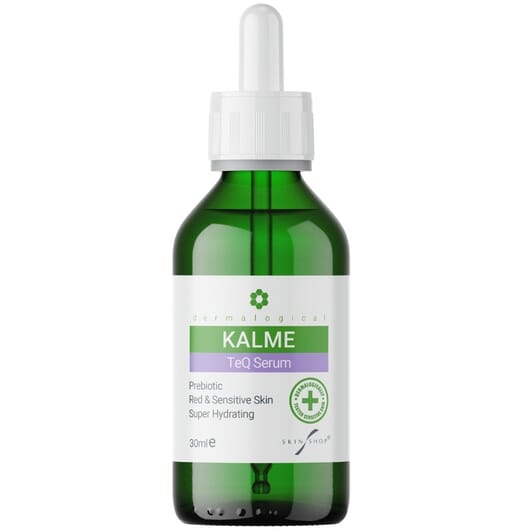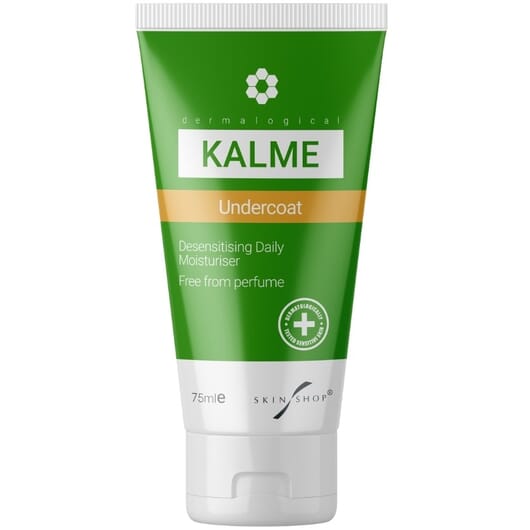



Winter is the worst time of year for sensitive skin due to low air humidity and dry biting winds outside and central heating inside. Sensitive skin can be a trigger for several skin conditions including rosacea, eczema and dematitis.
A new study (1) that was presented at the European Academy of Dermatology and Veneriology Congress in September found that sensitive skin is a worryingly growing issue. The study was one of the largest global surveys on sensitive skin ever conducted.
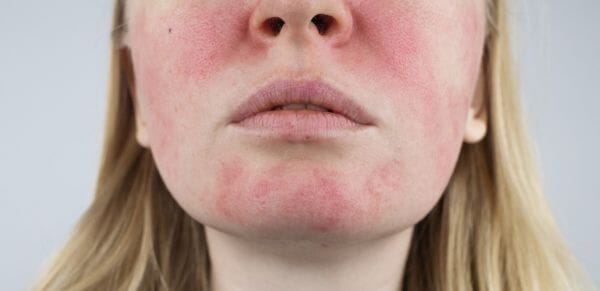
The study confirmed other reports that today almost 70% of people globally are affected by sensitive skin, an increase of almost 68% in the last twenty years and the figure is rising year on year.
The study highlighted that people living in urban environments suffered 16% more from sensitive skin than those living in non-urban environments.

Sensitive skin is associated with impaired function of the outermost layer of the skin (epidermal barrier), increased permeability of the skin, and high loss of water through the skin (transepidermal water loss). People with sensitive skin have a thinner outermost layer (stratum corneum) and a compromised skin barrier allows irritants or allergens to penetrate the skin and also doesn’t effectively protect nerve endings.
The biggest issue that arose from the issue of sensitive skin, according to the new study, was that is caused an elevated level of inflammation in the body as a compromised skin barrier sends an alert signal to the brain that the body is in danger and so triggers a defensive inflammatory response. Inflammation is the main trigger for skin issues such as redness and itching.
The study also found that people with sensitive skin also had higher levels of oxidative stress, which is the main cause of premature ageing in skin.
People with sensitive skin also suffered higher levels of disrupted sleep and chronic emotional stress.
Other studies (2) have found that women suffer more from sensitive skin than men. This is likely to be because female skin is thinner and therfore more susceptible to disruption. Women's skin is also more prone to dehyrdration due to fluctuations in female hormones (namely ostreogen), whic is another factor that makes women more prone to developing sensitive skin compared to men.
“Women suffer from sensitive skin more than men, especially in later life as skin becomes thinner and more fragile around menopause and also because women tend to use cocktails of cosmetics and chemical or perfumed skin care products on their skin,” says consultant dermatologist Dr Eva Melegh.
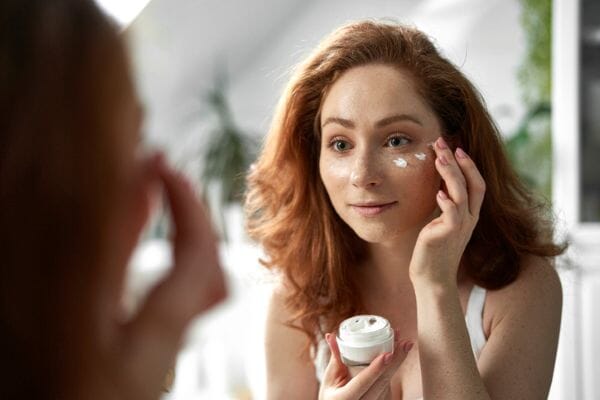
However, the number of men experiencing sensitive skin is also gradually increasing due to the widespread use of shaving products and cosmetics.
Furthermore, people who excessively consume spicy foods, coffee, alcohol, and slimming products have also been found to be at an increased risk of developing sensitive skin. The long-term effect on skin barrier function from the widespread use of semaglutides for weight loss has yet to be studied.
Studies have also found a correlation between decreased diversity of the skin microbiota, caused by overuse of antibiotics and anti-bacterial skin care products, and sensitive skin (3).
Cold wintry weather with low humidity can make sensitive skin issues worse.
Dr Melegh gives 5 ways to sooth and strengthen sensitive winter skin;
Apply Skin Prebiotics
Skin prebiotics to help address dryness caused by a weakened skin barrier function and also contributes to atopic skin issues, redness and rosacea. Additionally, during perimenopause skin barrier function is weakened by a drop in oestrogen production.

Try Kalme TeQ Serum which contains a skin prebiotic from agave extract and is both super hydrating and skin barrier function repairing for skin prone to redness, extreme dryness and sensitivity.
Don't Wash Face with Water
Water is a caustic substance that is harsh on sensitive skin. It can dry it out and also the temperature change from cold water to warm central heating indoors or war water to cold winter weather outdoors can trigger a sensitive red skin flare.

Tap water also contains chlorine which can increase the risk of the skin becoming intolerant to the chlorine content of water if it’s exposed to tap water several times a day. Instead use a natural gentle cleansing oil such as rosehip or a water-free cream cleanser to clean your skin of cosmetics and dirt instead of using water.
Wear a Daily Mineral SPF
Wear a day cream with a mineral based daily SPF (even on cloudy days) to protect skin from UV damage from sun and daylight, which can break down skin barrier function and increase the risk of sensitivity and redness. Zinc of one of the best mineral SPF for sensitive skin as it has the lowest reactivity of any mineral-based SPF.

Supplement with an Antioxidant
Reducing inflammation in the body can significantly help reduce inflammatory reactions in skin so taking a super antioxidant over the winter months can help calm down inflammatory skin responses. Reservatrol is one of the strongest antioxidants available and is a natural compound found in plants like red grapes, peanuts, and berries. It’s known for its anti-inflammatory properties and can be taken as a daily supplement.

Use a De-Sensitising Base Cream Under Cosmetics
Skin reactions to cosmetics are very common in people with sensitive skin so wearing a barrier de-sensitising base cream without any chemical or perfumes in it under any cosmetics can significantly reduce the skin’s reactionary response to irritants.
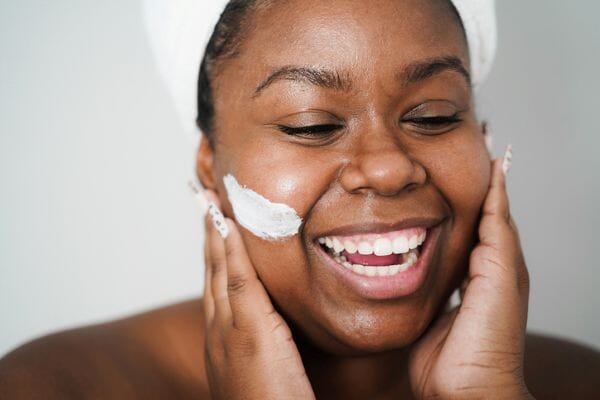
Kalme Undercoat is a light base cream that contains a specific de-sensitising ingredient that can help reduce skin sensitivity by up to 70% and should be worn under all cosmetics as well as used after shaving.
Refs
2. https://www.sciencedirect.com/science/article/pii/S2950306X2400013X
3. H.L. Keum, H. Kim, K.J. Kim, et al. Structures of the skin microbiome and mycobiome depending on skin sensitivity Microorganisms, 8 (7) (2020), p. 1032, 10.3390/microorganisms8071032